Metaphors and similes are essential components of figurative language, enriching communication by adding depth and vividness to expressions. A metaphor directly equates one thing to another, suggesting that they are alike in a significant way, while a simile makes a comparison using “like” or “as.” For instance, saying “Time is a thief” implies that time stealthily takes away moments from our lives, whereas “Her smile was like sunshine” suggests warmth and brightness in a more explicit manner. Both devices serve to evoke imagery and emotion, allowing readers and listeners to connect with the content on a deeper level.
Understanding these figurative expressions is crucial for students as they enhance comprehension and appreciation of literature and everyday language. By recognizing metaphors and similes, students can interpret texts more effectively, grasping underlying themes and emotions that might otherwise remain obscured. Furthermore, these devices encourage creative thinking, prompting students to explore language beyond its literal meanings.
This exploration not only enriches their vocabulary but also fosters a more nuanced understanding of communication.
Figurative language will make your students better writers. But, teaching it, especially to littles, can be a task.
Learning the differences between idioms, similes, and metaphors can be tough for students who have trouble with abstract ideas.
Let’s find some ways to make it fun, engaging, and memorable!

Teaching Strategies for Mastering Metaphors and Similes
To effectively teach metaphors and similes, educators can employ a variety of strategies that cater to different learning styles. One effective approach is the use of visual aids, such as graphic organizers, which help students categorize and analyze examples of figurative language. For instance, a Venn diagram can illustrate the similarities and differences between metaphors and similes, reinforcing their definitions through visual representation.
Additionally, incorporating multimedia resources, such as videos or songs that feature rich figurative language, can engage students and provide relatable contexts for understanding these concepts. Another strategy involves interactive activities that encourage students to create their own metaphors and similes. For example, teachers can initiate a “figurative language challenge,” where students must describe an object or emotion using both a metaphor and a simile.
This hands-on approach not only reinforces their understanding but also allows them to express their creativity. By sharing their creations with peers, students can receive feedback and further refine their skills, fostering a collaborative learning environment.
Engaging Students with Figurative Language: Effective Teaching Techniques
Engagement is key when teaching figurative language, as it helps maintain student interest and motivation. One effective technique is the use of literature circles, where small groups of students read and discuss texts rich in metaphors and similes. This collaborative approach encourages peer interaction and allows students to share their interpretations, deepening their understanding of how these devices function within various contexts.
Teachers can guide discussions by posing open-ended questions that prompt critical thinking about the author’s intent and the emotional impact of the figurative language used. Incorporating games into lessons can also enhance student engagement. For instance, a “figurative language scavenger hunt” can be organized, where students search for examples of metaphors and similes in books or online articles.
This activity not only makes learning fun but also encourages students to actively seek out figurative language in real-world contexts. By gamifying the learning process, educators can create an environment where students feel excited about exploring language creatively.
Incorporating Examples of Metaphors and Similes in Classroom Instruction
Integrating examples of metaphors and similes into classroom instruction is vital for reinforcing students’ understanding of these concepts. Teachers can begin by selecting excerpts from well-known literature that exemplify the use of figurative language. For instance, passages from works by authors like William Shakespeare or Maya Angelou can provide rich examples for analysis.
By dissecting these excerpts together, students can identify the metaphors and similes used and discuss their effects on the overall meaning of the text. Additionally, teachers can encourage students to bring in examples from their own reading or media consumption. This practice not only personalizes the learning experience but also allows students to see how metaphors and similes are prevalent in various forms of communication, including poetry, songs, and advertisements.
By creating a shared repository of examples within the classroom, educators can foster a culture of appreciation for figurative language that extends beyond the confines of traditional literature.
I have always LOVED to use the chapter book Punished! by David Lubar with my third graders. But you could always tell who understood the figurative language references and who did not by the laughter (or blank stares).
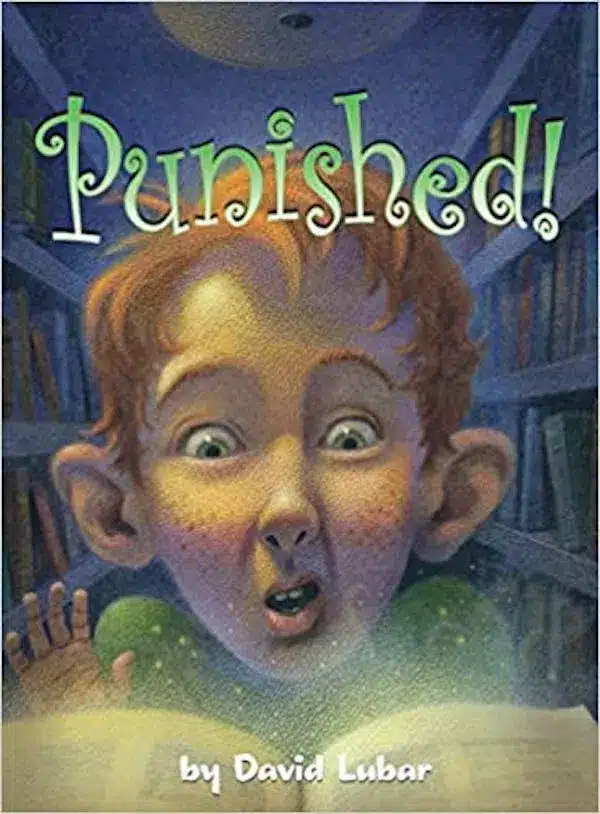
Using the same book with older students definitely resulted in more giggles as I read aloud.
It really shows how students who have not yet mastered abstract concepts might struggle with simple figurative language understanding, let alone expecting them to add it independently to their writing assignments.
6 Types of Figurative Language
There is an entire list for different types of figurative language:
- Simile
- Metaphor
- Personification
- Onomatopoeia
- Oxymoron
- Hyperbole
- Allusion
- Idiom
- Imagery
- Symbolism
- Alliteration
- Assonance
- Consonance
- Metonymy
- Synecdoche
- Irony
- Sarcasm
- Litotes
- Pun
- Anaphora
- Tautology
- Understatement
But when teaching beginning figurative language, elementary teachers tend to stick with these 6 types:
Simile – Involves the comparison of 2 things; uses the words like or as
Example: The boy was brave as a lion.
Metaphor – Figure of speech where an object or action is said to be something else, but not literally.
Example: My sister is the black sheep in our family.
Personification – Applying a human quality to something nonhuman
Example: The wind howled through the night and kept me awake.
Idiom – A phrase of words that means something completely different from the meanings of the separate words.
Example: It’s raining cats and dogs outside.
Pun – A joke that uses a multiple meaning word in a different way than usual.
Example: Why do amphibians take the bus? Because their cars are always getting toad.
Onomatopoeia – A word that sounds like the way it is read
Example: sizzle or whoosh
I know I said 6 types, but I live this one so much, I included a bonus figure of speech…
Bonus: Alliteration – A phrase or sentence that has multiple words that begin with the same sound.
Example: Sandy shows us her seashells she searched for at the sea.
Free Figurative Language eBook
Sometimes, I throw out a Collaboration Wednesday question on Facebook and thanks to the fans at Organized Classroom’s Facebook fan page, I was able to put together an 11-page freebie eBook all about ideas for teaching figurative language!
Very cool and thanks to all those who contributed in the newest eBook!
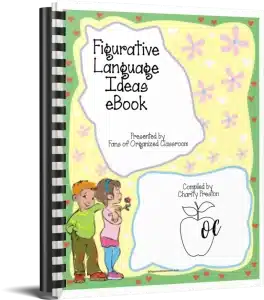
Enjoy!
What are your best figurative language instruction tips? We would love to hear them in a comment below!
~Charity

This post originally appeared at Organized Classroom.

Leave a Reply