Anchor charts serve as visual aids that enhance learning by providing a reference point for students. They encapsulate key concepts, strategies, and processes in a format that is easily digestible. By using anchor charts, educators can reinforce lessons and help students retain information more effectively.
These charts not only support individual learning but also foster a collaborative classroom environment where students can engage with the material in a meaningful way. The visual nature of anchor charts caters to various learning styles, making them an invaluable tool in diverse educational settings. Moreover, anchor charts can be tailored to meet the specific needs of a classroom or subject area.
For instance, in a language arts class, an anchor chart might outline the elements of a story, while in a math class, it could illustrate problem-solving strategies. This adaptability allows teachers to create resources that resonate with their students, thereby enhancing comprehension and retention. As such, understanding the importance of anchor charts is crucial for educators aiming to create an effective learning environment.

I love anchor charts, I love looking at anchor charts on Pinterest, I love co-creating anchor charts with my students.
I don’t always love how they turn out – or how my printing starts to drift or squish together – but I do love anchor charts.
I keep some anchor charts displayed on binder rings for students or myself to refer to – but there are just too many and sometimes we need more information that what we have on the anchor chart so….this year I made anchor binders.
Organizing Your Anchor Chart Materials
I made binders for each of our math strands.

The strand we are working on is on the shelf right underneath current anchor charts.

The other binders are on the shelf with all the other math tools and with our language anchor charts.

So easy to store.
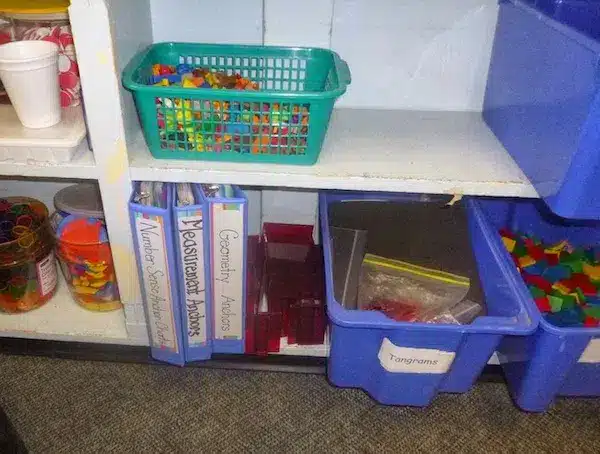
Each binder is divided into additional sections.
“What is in these binders?” you may ask.
Three things:
1. Pictures of our anchor charts.

2. Posters I made to explain to explain terms or concepts and procedures or checklists.

3. Learning goals and success criteria.

These binders are helpful to not only my students but to me – so I can keep track of what I used/made for the following year!
Creating Consistent Themes for Your Anchor Charts
Establishing consistent themes across anchor charts can significantly enhance their effectiveness in the classroom. A cohesive design not only makes the charts visually appealing but also helps students make connections between different concepts. For instance, using a specific color scheme or font style across all charts can create a sense of unity that aids in memory retention.
Additionally, incorporating similar graphic elements or icons can help students quickly identify related information, making it easier for them to navigate through various topics. Furthermore, consistent themes can extend beyond aesthetics to include the language and terminology used on the charts. By employing similar phrasing and definitions across different subjects, educators can reinforce key vocabulary and concepts.
This approach not only aids comprehension but also builds a strong foundation for students as they progress through their education. Ultimately, creating consistent themes for anchor charts fosters an environment where students feel more confident in their understanding of the material.
Implementing a System for Rotating Anchor Charts
Establishing a Rotation Schedule
One effective strategy is to establish a schedule for rotating charts based on the curriculum or specific learning objectives. For example, after completing a unit on fractions, the related anchor chart could be replaced with one focused on geometry concepts.
Fostering Student Ownership
Involving students in the rotation process can foster ownership of their learning environment. Educators might encourage students to suggest which charts should be displayed based on their interests or areas where they need more support.
Maintaining an Engaging Classroom Atmosphere
This collaborative approach not only empowers students but also helps teachers gauge which topics require further emphasis. By implementing a systematic rotation of anchor charts, educators can maintain an engaging and responsive classroom atmosphere.
Maintaining and Updating Your Anchor Chart Organization System
An effective anchor chart organization system requires ongoing maintenance and updates to remain relevant and useful. Regularly reviewing the displayed charts ensures that they align with current curriculum goals and student needs. Educators should set aside time at the end of each unit or term to assess which charts are still effective and which may need revision or replacement.
This proactive approach helps keep the learning environment fresh and aligned with educational objectives. Moreover, soliciting feedback from students about the usefulness of specific anchor charts can provide valuable insights into their effectiveness. Teachers might conduct informal surveys or discussions to gather input on which charts resonate most with students and which ones may need improvement.
By actively involving students in this process, educators not only enhance their organization system but also promote a culture of continuous improvement within the classroom. Maintaining and updating an anchor chart organization system is essential for ensuring that these tools remain relevant and beneficial for student learning over time.
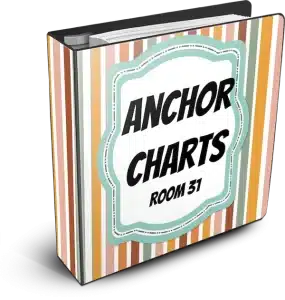
Free Editable Anchor Chart Binder Cover!
Need a custom cover for your binder? The text on this plain cover is 100% editable. Just make sure to download and edit in Power Point or Google Slides. Happy anchor chart organizing!
~Charity

This post originally appeared at Organized Classroom.

Leave a Reply