Telling time is a fundamental skill that children need to master as they grow and develop. Understanding how to read clocks and comprehend the passage of time is essential not only for academic success but also for daily life. From scheduling activities to managing their own routines, the ability to tell time empowers children with a sense of independence and responsibility.
As they learn to navigate their world, grasping the concept of time becomes a crucial building block in their cognitive development. In the early stages of learning, children are often introduced to the concept of time through visual aids and hands-on experiences. This foundational knowledge typically begins with recognizing the hour and minute hands on an analog clock, followed by understanding the division of hours into minutes.
As children progress, they learn to read digital clocks and understand concepts such as AM and PM. Engaging worksheets and activities can significantly enhance this learning process, making it both enjoyable and effective.

Teacher Tips for Using Dice in the Classroom
Do you ever use dice as a math learning tool? How do you do it without dice flying all over the room and splitting your ear drums?
One quick tip I learned from a fabulous math coach was always to give students 60 seconds with the manipulative you would be working with just to “play.” That way they get it out of their system and have had a chance to explore the item.
Then, after the 60 second timer ends, the item becomes a learning tool and we only use it for that specific purpose and follow the teacher instruction.
That small tip has saved me countless minutes of asking students to stay on track and not just “play” with the math manipulative.
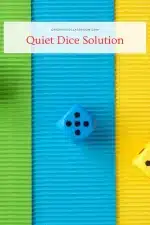
Speaking of math manipulative, I came across these awesome Dice in Dice and just knew you all would love them! There is so much you can do with them in your classroom!
How about a few ideas from fellow colleagues? On my Instagram account:
@theuniqueclassroom said “Addition or multiplication games!”
Several good ideas from @larnww “I used them for addition all the time… Like: create your own addition story using what you rolled. And greater than/less than discussions.”
@asunnydayinfirstgrade also suggested “I use them for addition and subtraction!”
@savbruski “My math consultant was just showing me dice in dice today! I had never heard of them before. We are going to try to do a multiplication dice game.”
and @robinf639 mentioned “My favorite! Addition practice!”
All awesome ideas! I love collaborating and chatting with other educators on Instagram!
Interactive and Hands-On Telling Time Activities
Hands-on Learning with Movable Clocks
One popular method involves using physical clocks that children can manipulate. For instance, teachers or parents can provide a clock with movable hands, allowing kids to practice setting the time themselves. This tactile experience helps solidify their understanding of how the hour and minute hands function together, making the abstract concept of time more concrete.
Time-related Games for Enhanced Learning
Another effective hands-on activity is the use of time-related games. For example, a scavenger hunt can be organized where children must find items or complete tasks that correspond to specific times on a clock. This not only reinforces their ability to tell time but also encourages teamwork and problem-solving skills.
Retaining Learning through Movement and Play
By incorporating movement and play into the learning process, children are more likely to retain what they have learned and develop a positive attitude towards learning.
Benefits of Using Engaging Telling Time Worksheets for Kids
Utilizing engaging telling time worksheets offers numerous benefits for children’s learning experiences. Firstly, these worksheets provide structured practice opportunities that help reinforce concepts taught in class or at home. By working through various exercises, children can build confidence in their ability to tell time accurately.
Moreover, engaging worksheets often incorporate elements of fun and creativity, which can enhance motivation and interest in learning. When children enjoy what they are doing, they are more likely to retain information and develop a positive attitude towards education overall. Additionally, these worksheets can serve as valuable assessment tools for educators and parents alike, allowing them to gauge a child’s understanding and identify areas where further support may be needed.
In conclusion, telling time is an essential skill that can be taught effectively through interactive activities, creative worksheets, and everyday experiences. By making learning fun and engaging, educators and parents can help children develop a strong foundation in this vital area of knowledge.
Free Printable Dice Worksheet
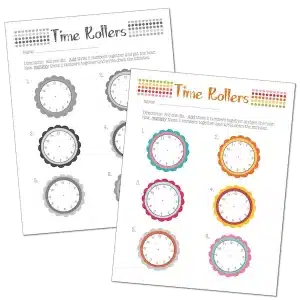
I decided to incorporate some of that addition and multiplication and toss together a fun freebie for you today called Telling Time Rollers!
This freebie includes a color AND a grayscale version for those who aren’t able to get to a color printer. Another idea to save paper: Toss it in a sheet protector and have the students use dry erase markers.
These little dice are awesome and so much fun!
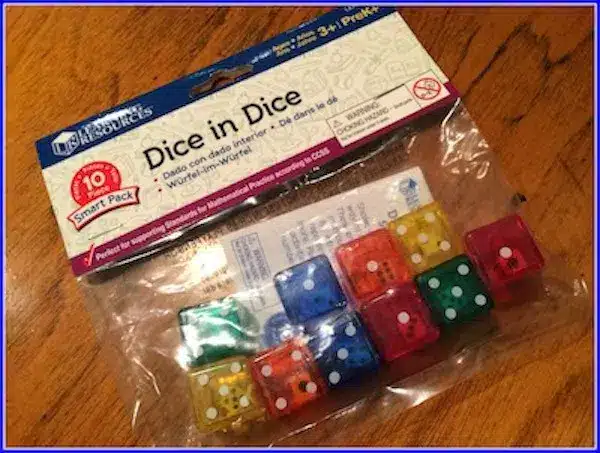
They even include some fun learning ideas, such as having students create some addition numbers sentences using the 2 dice, representing quantities in any way they see applicable (tallies, circles, arrays, etc), and writing more or less sentences with the results they toss.
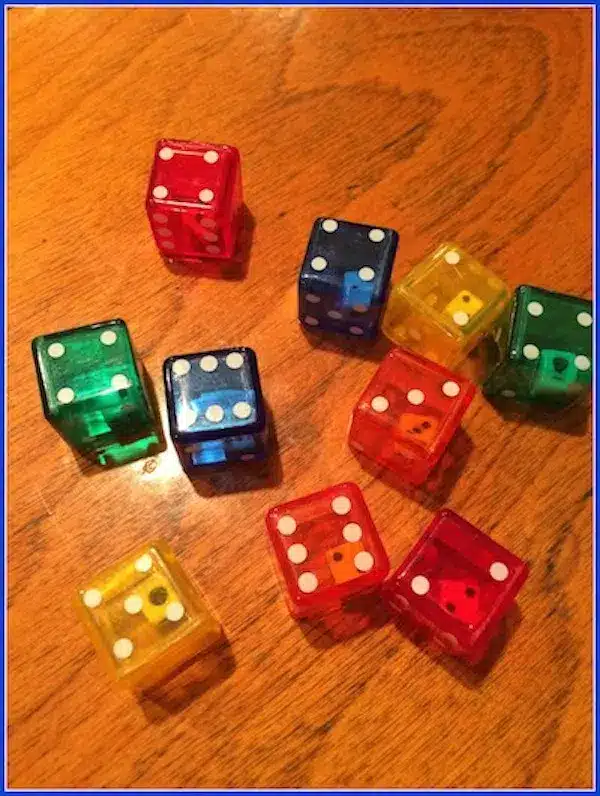
The possibilities are endless using these manipulatives. All math classrooms should have some dice available for games – the students love them and there are just so many ways to be used!
Do you have additional ways to use dice in the classroom? Share with us in the comments below! #sharingiscaring
~Charity

This post originally appeared at Organized Classroom.

Leave a Reply