Ugh. February can feel long… the days are short, the weather is chilly, and students often need something quiet, meaningful, and engaging. That’s why I love using the February Snow Full Moon as a simple way to slow down and help kids observe the world around them. 🌕

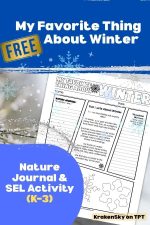
This free Snow Moon observation worksheet turns a winter full moon into a cozy science + SEL moment—no special supplies required.
❄️ What Is the Snow Moon?
The Snow Moon is the name often given to February’s full moon. Long ago, people named full moons to help track seasons and changes in nature. February usually brings heavy snow in many places, so the name stuck!
This printable explains the Snow Moon in kid-friendly language and invites students to look, think, and reflect—whether they observe from outside, a window, or even a photo.
✏️ What’s Included in the Freebie:
- A simple explanation of the February Full Moon
- Space to draw what students observe in the sky
- Sky and weather checklists (clear, cloudy, windy, cold, etc.)
- A gentle reflection prompt about how winter feels
- A nature connection section about animals and plants in winter
- Vocabulary focus on the word “dormant”
- A fun winter word scramble using clues from the page
It’s calm, flexible, and perfect for those quieter winter days.
🌱 Why Teachers Love This Activity
✔ No prep
✔ Ink-friendly
✔ Works indoors or outdoors
✔ Encourages observation and discussion
✔ Connects science, nature, and SEL
This is one of those activities that feels purposeful without being overwhelming—especially in February.
🧠 Classroom Ideas
- Use it as a calm SEL reflection on winter
- Use it during a moon unit or winter science lesson
- Send it home as a family observation activity
- Add it to morning work or science journals
- Pair it with a read-aloud about the moon or seasons

📥 Grab the Free February Snow Moon Sheet
If you’re looking for a peaceful, nature-based way to bring science into your winter routine, this Snow Moon observation is a great fit.
👉 Download the free February Snow Moon observation sheet here!
⭐ February Snow Moon Observation – FAQ
The Snow Moon is the name often used for February’s full moon. It comes from long-ago traditions of naming full moons based on seasonal changes. February is typically one of the snowiest months in many places, which is how the Snow Moon got its name.
This February Snow Moon observation worksheet works best for grades K–3, but it can easily be adapted for grades 4–5 by encouraging more detailed observations and written responses.
No! Students can observe the moon outside, through a window, or using photos or videos if weather or schedules don’t allow outdoor viewing. The activity is designed to be flexible and classroom-friendly.
This activity supports:
Science observation skills
Understanding moon phases and seasons
Nature journaling
Vocabulary development (including the word dormant)
Social-emotional reflection
Drawing and written expression
💬 I’d Love to Hear From You!
If you use this activity, I’d love to know how it goes in your classroom or at home! Feel free to tag me on social media @creativebrainsgrowhere — I love seeing how learners explore science through hands-on creativity!
As an educator, author, and illustrator, your reviews and feedback help me continue creating meaningful, kid-friendly resources that support curious minds.
Thank you, and have a fantastic week!
— Julianne (J)
creativebrainsgrowhere.org
@creativebrainsgrowhere

❤️This resource has been donated to educators by CreativeBrainsGrowHere.org
Follow on social media @CreativeBrainsGrowHere ❤️


Leave a Reply