Spring is a season full of small but exciting changes in nature—longer days, warmer weather, blooming flowers, and more animals becoming active again. One of the most beautiful seasonal moments to watch for is the April full moon, often called the Pink Moon.

To celebrate this seasonal shift, I created a free April Pink Moon Observation Activity that helps kids explore the night sky while connecting what they see above them with what’s happening in nature around them.
This printable is part of a free Full Moon Observation Series for kids, designed to help young learners notice the rhythms of the natural world throughout the year.
What Is the Pink Moon?
Despite its name, the Pink Moon doesn’t actually turn pink. The name comes from a wildflower called pink phlox, which blooms in early spring in many parts of North America.
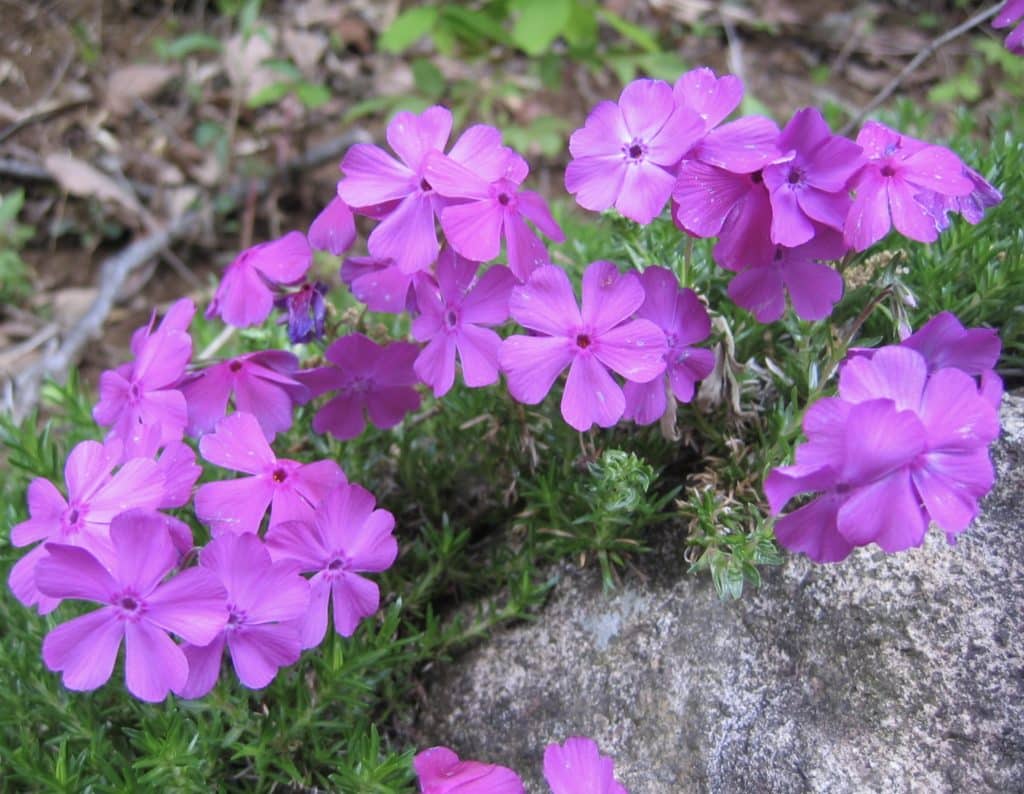
Long before modern calendars, people used the moon and the seasons to track time. Many full moon names come from changes in weather, plants, or animal activity happening during that time of year.
The Pink Moon marks a time when:
- Spring flowers begin blooming
- Trees start growing new leaves
- Pollinators like bees and butterflies become more active
- Days grow longer and warmer
It’s a wonderful moment to pause, look up at the sky, and think about how nature is changing all around us.
A Simple Moon Observation Activity for Kids
The April Pink Moon printable invites kids to become young nature observers. Instead of just learning about the moon, they practice noticing details in the sky and connecting those observations to seasonal changes.
The activity includes:
- A short explanation of the Pink Moon
- Simple moon facts for kids
- A moon drawing observation space
- A sky conditions checklist
- Reflection questions about spring changes in nature
- A moon and nature vocabulary word scramble

This type of activity works well because it encourages curiosity rather than memorization. Kids get to observe, think, draw, and reflect—skills that support both science learning and creative thinking.
Why Kids Love Learning About the Moon
The moon is one of the easiest ways to introduce astronomy to children. Unlike distant planets or stars, the moon is visible almost every night, and its appearance changes throughout the month.
Studying the moon helps kids learn about:
- Patterns in nature
- Moon phases
- Seasonal changes
- Observation and scientific thinking
Even better, it encourages children to step outside and look up, something many kids don’t get enough chances to do.
Part of a Free Full Moon Observation Series
The April Pink Moon activity is part of a growing Full Moon Observation Series designed for classrooms, homeschool learning, and nature journaling.
Each printable focuses on a different seasonal full moon and helps kids connect astronomy with changes in nature.
The series includes:
February – Snow Moon
❄️ Winter weather and seasonal patterns
March – Worm Moon
🌱 Early signs of spring
April – Pink Moon
🌸 Spring flowers and pollinators
Together, these activities help kids begin noticing the natural rhythm of the year.
Easy Ways to Use This Activity
This printable works well in many learning settings:
In the classroom
- Spring science centers
- Astronomy units
- Early finisher activities
For homeschool learning
- Nature journaling
- Seasonal science lessons
- Outdoor observation projects
For camps or nature programs
- Evening observation activities
- Spring nature studies
Even if kids can’t see the moon on the exact night of the full moon, the worksheet still encourages them to observe seasonal changes happening around them.
Download the Free April Pink Moon Activity
You can download the free April Pink Moon observation printable and add it to your spring science activities.
It’s a simple, low-prep way to help kids connect the night sky, the seasons, and the natural world.
And if you enjoy this activity, keep an eye out for the rest of the Full Moon Observation Series as we continue exploring the sky month by month!
I’d Love to Hear From You!
If you use this activity, I’d love to know how it goes in your classroom or at home! Feel free to tag me on social media @creativebrainsgrowhere — I love seeing how learners explore science through hands-on creativity!
As an educator, author, and illustrator, your reviews and feedback help me continue creating meaningful, kid-friendly resources that support curious minds.
Thank you, and have a fantastic week!
— Julianne (J)

creativebrainsgrowhere.org
@creativebrainsgrowhere
❤️This resource has been donated to educators by CreativeBrainsGrowHere.org
Follow on social media @CreativeBrainsGrowHere ❤️
FAQ: April Pink Moon Activity for Kids
The Pink Moon is the name often given to the April full moon. The moon does not actually turn pink. The name comes from pink phlox flowers, one of the earliest spring flowers to bloom in many parts of North America.
Traditional moon names were often connected to seasonal changes in nature. The April full moon was named after the appearance of spring wildflowers, which signaled warmer weather and new plant growth.
The April full moon rises around sunset and stays visible throughout the night. It is usually easiest to observe shortly after sunset when it appears low on the horizon.
This printable activity works best for students in grades 2–5, but it can easily be adapted for younger learners with guidance or older students as part of a nature journaling activity.
Teachers often use this activity for:
Spring science lessons
Moon phases units
Nature journaling
Earth and space science centers
Early finisher activities
It also works well for outdoor learning or homeschool science lessons.
Students practice several important skills, including:
Observation and scientific thinking
Connecting seasonal changes to nature
Descriptive writing and reflection
Basic astronomy concepts about the moon and night sky
Other traditional spring full moon names include:
March – Worm Moon
April – Pink Moon
May – Flower Moon
These names often reflect seasonal changes in plants, animals, and weather.

Leave a Reply